Overview
Overview
Investment banking is known for long hours, high pressure and a very steep learning curve.
For a new Analyst or Associate, the first few months can be a lot to take in. You’re learning how to build financial models, put together presentations, work with senior bankers and interact with clients, while trying to figure out what you’re actually supposed to be doing.
Some weeks can be relatively quiet. Other weeks can completely take over your life.
And while the hours get the most attention, they’re not always the hardest part of the job.
The real learning curve is figuring out how to work quickly without making mistakes, understanding what senior bankers actually want and getting comfortable with constant feedback and last-minute changes. Early on, it’s normal to make mistakes, that’s part of the job. The good news is that you get better quickly. After enough repetition, the work that felt overwhelming at first starts to become much more manageable.
Here’s what the first few months in investment banking actually look like.
TL;DR
- The hours can change quickly - A quiet week can turn into a 120-hour week when a deal gets busy.
- Your personal life takes a hit - Last-minute work makes it difficult to make plans in advance and actually stick to them.
- Small mistakes matter - Attention to detail is a big part of being a good analyst.
- There’s a lot to learn - Financial modeling is only one part of it, you also need to learn the industry, the client and how your team works.
- It gets easier - The first few months can feel overwhelming, but repetition makes the work more manageable.
1. The Hours Can Be All Over the Place
Most people entering investment banking know they’re signing up for long hours. What they don’t always realize is how unpredictable those hours can be.
A week can start off relatively quiet and then completely change because the client needs something, the deal moves forward or a senior banker decides that a presentation needs to be redone.
During a live deal, working late nights and weekends is normal. You might spend hours building a model or working on a pitch deck, only to have it changed entirely at the last minute. That unpredictability is often harder to deal with than simply having a long workday.
There are also slower periods. Those weeks give you a chance to catch up, learn something new or simply recover. But you can’t always plan around them because you never know when the next busy period will start.
The first few months are especially difficult because everything takes longer when you’re still learning. Over time, you start recognizing patterns, understanding what your senior bankers want and figuring out which things actually need your attention.
2. The Toughest Challenges
Many new analysts find that the learning curve can be just as difficult as the hours. You’re learning new concepts, working under tight deadlines and are expected to produce work that is accurate all the time. One of the biggest challenges is maintaining relationships when your schedule can change at a moment’s notice. Dinner plans, dates and weekends can easily get pushed aside, and even when you’re technically off, you may still be checking your inbox every minute.
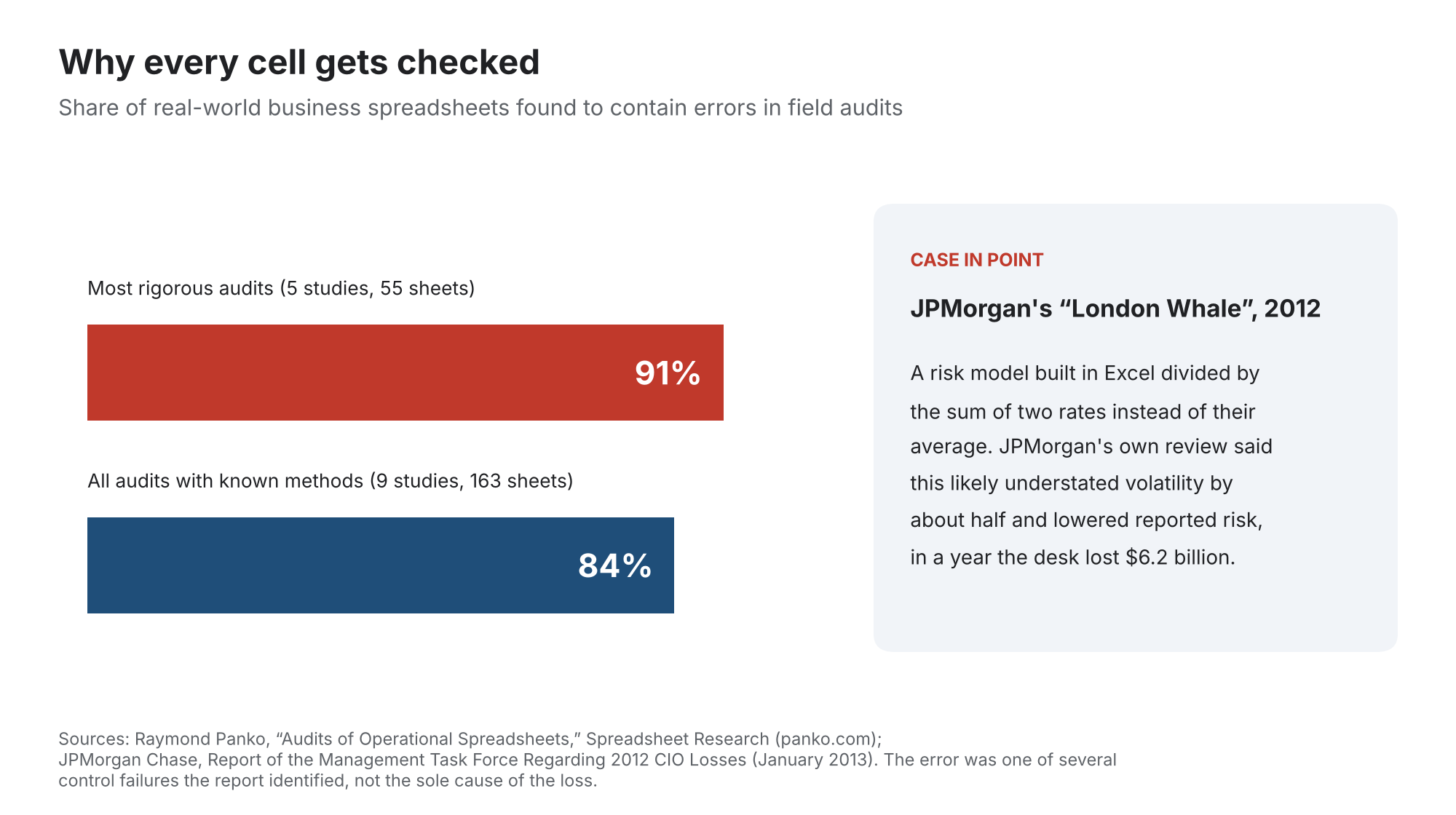
At the same time, attention to detail matters a lot. A small mistake in a model or client deck can mean redoing hours of work and can affect how much your team trusts you. You’re going to make mistakes early on, but the goal is to learn from them and build processes that help you become both faster and more accurate.

You also have to get up to speed on the industries you cover. You’re not just learning how to build models and put together presentations, you need to understand the companies, business models, competitors and trends behind the deals.
Formal mentorship can be limited because everyone else is busy too. A lot of the learning happens by studying old decks and models, asking good questions and learning from other analysts and associates.
There’s also the pressure to get quicker and start thinking ahead. Early on, being a good analyst often means putting your head down, getting the work done and doing it very well.
Over time, the best analysts start anticipating what their associate or VP will need before they even ask. That comes from repetition, understanding the bigger picture and earning trust through your work.
The good news is that this is also where a lot of the value of banking comes from. The job can be demanding, but you come out with strong technical skills, a better work ethic, a valuable network and experience that can open doors to many other careers in finance.
3. Attention to Detail
One of the biggest adjustments when you start working in banking is realizing how much the small things matter.
A presentation gets reviewed line by line. A model gets checked cell by cell. Numbers need to match, formatting needs to be consistent and the final product should be ready to go to the client without someone having to clean it up first. That can be intimidating at first, especially because you’re learning while doing the work. There usually isn’t enough time to stop and fully understand everything before moving on to the next task. A lot of the learning comes from repetition.
The first time you build a DCF, it might take hours and feel confusing. After building five or ten of them, the process starts to become much more intuitive. The same goes for presentations, financial analysis and other banking tasks. This is why actually building financial models is so valuable. Knowing the formulas is one thing but building the model yourself is what helps you understand how everything connects.
The same applies to recruiting, reading technical guides is useful, but there’s no substitute for actually doing the work and practicing out loud. You’re also going to make mistakes early on. The goal is to understand why the mistakes happened, fix them and put a process in place so you don’t make the same mistake twice. Over time, that’s how you become faster, more accurate and more confident.
4. Getting Comfortable With the Industry
There’s another part of the learning curve that’s easily overlooked - actually understanding the companies and industries you’re working on.
The model is only one part of the job. For example, if you’re covering software, you need to understand how the company makes money, what drives its growth and which customers, products and metrics actually matter. Doing this can be tough when you’re new and trying to keep up with the workload, but it gets easier with exposure. You start recognizing companies, picking up industry terminology and knowing which questions to ask. The best junior bankers aren’t necessarily the ones who know everything on day one. They’re the ones who can figure things out on their own.
Banking will constantly throw you into situations where there isn’t a clear answer in a textbook. You might get a data set you’ve never seen before or be asked to understand a business you know nothing about. Being able to dig in, learn quickly, ask the right questions and turn messy information into something useful for the team is a huge advantage early in your career.
5. Mentorship is Limited
Another reality of the first few months is that you may have to figure out a lot on your own. That doesn’t mean you won’t have people around you to help. You’ll work with Associates, VPs and other Analysts who can show you how things are done.
But everyone is busy working. When a deal is moving quickly, your Associate may not have time to sit down and explain every step of a task. Sometimes you’ll get a quick explanation, a previous presentation or an old model and be expected to figure out the rest. That can feel overwhelming at first.
But it forces you to become more independent. Instead of asking about every small detail, you start learning how to look at previous work, search for the answer and come back with a solution, often on your own. That’s an important skill in banking because the goal isn’t to know everything. It is to become someone your team can rely on.
6. Learning Under Pressure
The first few months can be a confidence shock. Chances are, you were one of the smartest and strongest in your class but then you start banking and suddenly you’re surrounded by people who are just as smart, while being expected to work at a much faster pace.
Making mistakes can feel worse than it should.
Getting feedback on something you spent hours working on can be frustrating. Having to redo a slide for the third time can make you wonder whether you’re actually getting better.

But this is where the repetition starts to help. After enough rounds, things that once felt difficult become routine.
You get faster at building models. You learn how to turn a large amount of information into something useful. You start understanding what your senior bankers care about before they even ask. And you become better at handling pressure.
That’s one of the reasons banking can be such a strong training ground early in a career. The ability to work under pressure, stay organized and pay attention to detail are all qualities that matter at the Analyst and Associate level.
The job doesn’t necessarily get easy, you just get better at doing it.
7. Figuring Out Whether You Actually Like It
After a few months, the biggest question is pretty much the same for all junior bankers - Do I actually like this?
Some people enjoy the pace. They like working on huge deals, learning about different companies and getting exposure to senior executives early in their careers.
Others find that the day-to-day work is very different from what they expected.
In reality, every day doesn’t involve exciting deals or conversations with CEOs. A lot of the job is still building models, updating presentations, checking numbers and making changes based on feedback.
That doesn’t make the experience any less useful. In fact, these repetitive tasks are the reason you build the skills that make you more valuable later.
Banking can give you multiple options once you have that experience. Financial modeling, valuation, transaction experience and the ability to work under tight deadlines can help a lot when moving into private equity, hedge funds, corporate development, strategy or other roles.
Some people decide they want to stay in banking. Others realize pretty quickly that they want to do something else.
The Bottom Line
The first few months of investment banking can be overwhelming.
The hours can be long, your plans can change at the last minute and there’s a lot to learn at the same time. You’re expected to produce accurate work while still figuring the job, but you also get to learn very quickly.
You get better at financial modeling, more comfortable working under pressure and better at handling feedback and figuring things out on your own.
Most importantly, the things that felt impossible when you started eventually start to feel normal. That’s really what the first few months are about.
You’re not expected to know everything when you start but you’re expected to get better, quickly.
So, if you can handle the hours, the pressure, and the learning curve, banking can give you a very strong foundation for the rest of your career.