Overview
Overview
Investment banking, equity research and sales & trading are probably the three most common paths to starting a career in finance. They are all good industries, but the work is very different in each one.
Investment banking is about helping companies raise money, buy or sell businesses. Equity research is about understanding companies, industries and forming an investment view or recommendation. Sales and trading is about working with clients and markets in real time.
The right choice depends on the type of work you enjoy, the kind of career you want, and how much you care about work-life balance.
TL;DR
- Investment banking gives you exposure to M&A, IPOs, and other major transactions. The hours are long, but the exit opportunities are some of the best in finance.
- Equity research is more focused on understanding companies and industries. The hours are generally more predictable, and the work is closer to investing.
- Sales & trading is much more focused on markets and client relationships. The pace is faster, and you need to be comfortable making decisions in real time.
- All three can be well-paid careers, but compensation depends heavily on the firm, your performance, and market conditions.
- The exit opportunities are different: Banking is the clearest route into private equity, equity research can lead to hedge funds and other investing roles, while sales and trading tends to keep you closer to the markets.
1. Investment Banking: Working on Deals
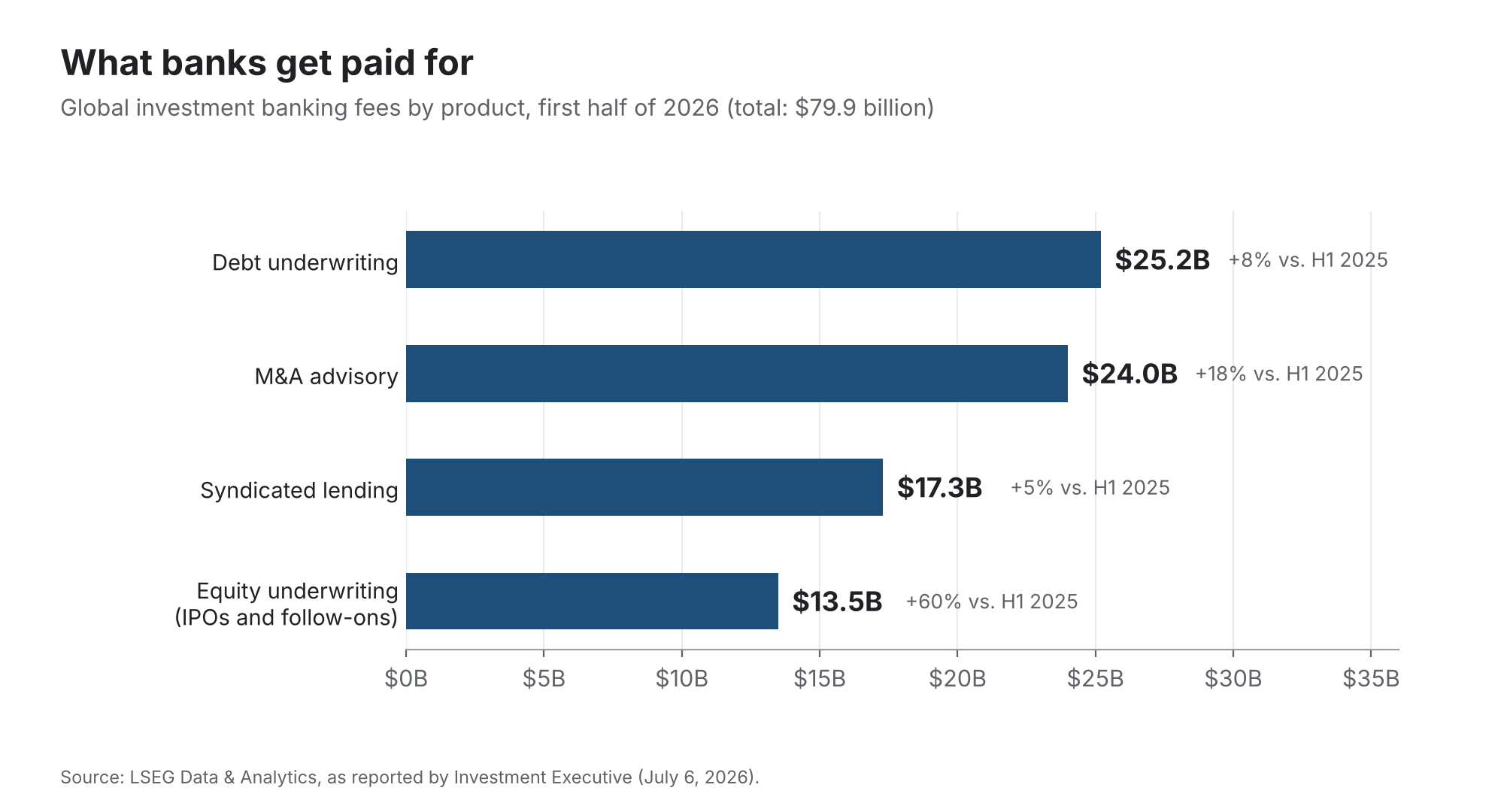
Bankers help companies with major transactions. That could mean buying another company, selling a business, going public, or raising debt or equity.
As an Analyst, a lot of your time will be spent in Excel and PowerPoint. You will build financial models, work on valuations, research companies and industries, prepare pitch books, and help senior bankers get ready for client meetings.
The technical side is only one part of the job. You also need to work quickly, deal with a lot of feedback, and manage several things at once. Over time, the best analysts get good at figuring out what the senior bankers will need before they are asked.
Banking can be a great place to start if you want to work on major transactions and build a strong finance skill set. It’s important to understand what you are signing up for. The hours can be very long, especially when a deal is live.
2. Equity Research: Understanding Companies
Equity research is more about understanding businesses rather than working on transactions.
Research analysts follow companies and industries and try to figure out what is really driving the business. They build models, read financial statements, follow earnings, speak with management teams and write research that helps investors decide what to do with a stock.
Junior employees spend more time doing the analysis and building the reports. As you become more senior, you spend more time speaking with company executives, attending industry conferences, and talking to investors.
The work can be a good fit if you genuinely enjoy digging into a company and trying to understand where it is going. You are not just plugging numbers into a model. You are trying to figure out what those numbers actually mean.
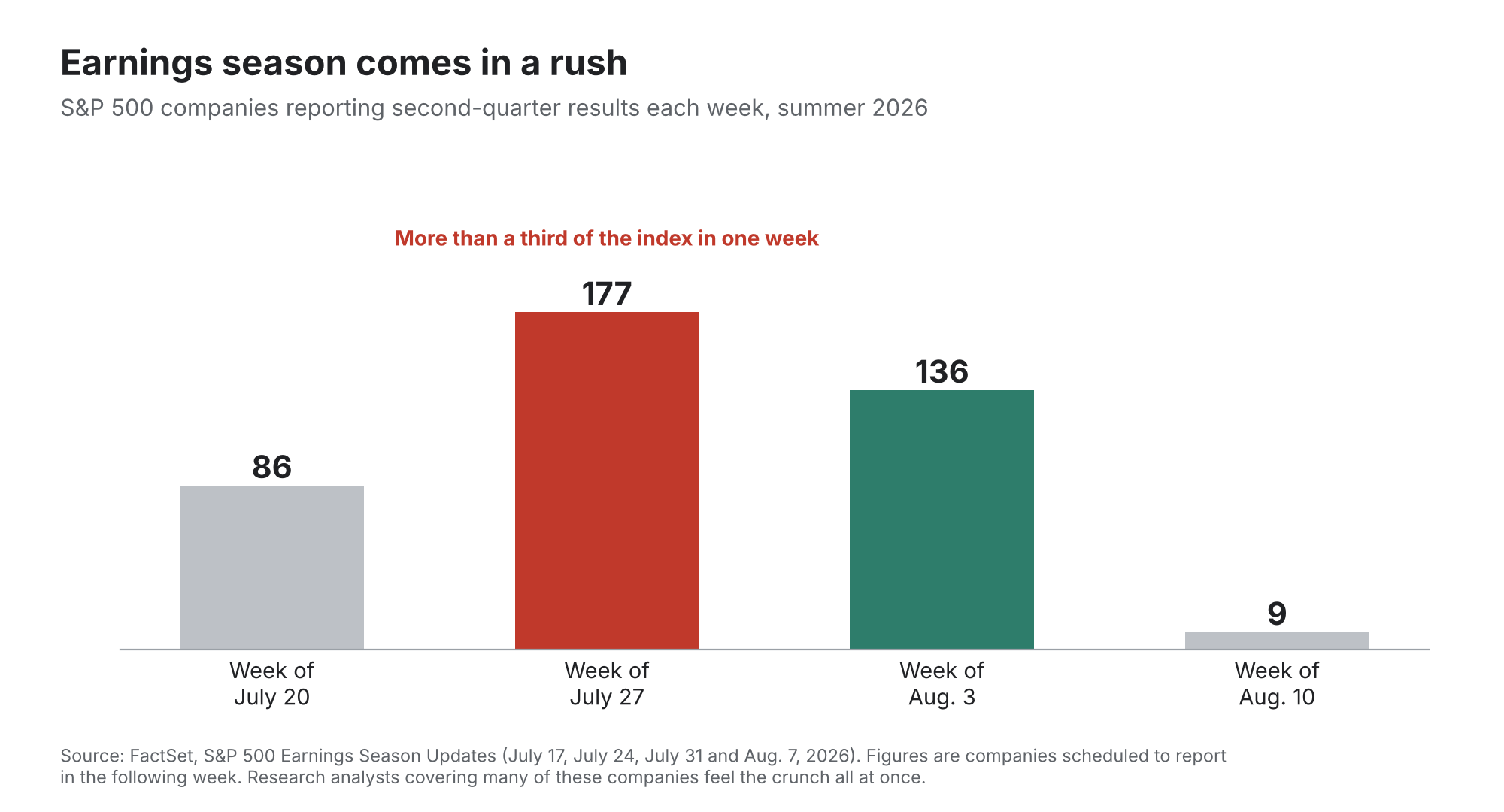
The hours are generally more predictable than banking. There can still be very busy periods around earnings, particularly when several companies report at the same time.
3. Sales & Trading: Working With the Markets
Sales and trading is a completely different type of job.
On the sales side, you work with institutional clients and help them execute trades. On the trading side, you execute those trades and manage the risk involved. Depending on the desk, you could be working with equities, bonds, commodities, derivatives or other financial products.
The biggest difference is the speed. In banking, you might spend days building a model or preparing a presentation. In trading, a market can move in seconds and you may have to make a decision immediately.
You also need to be comfortable with uncertainty. Markets do not always do what you expect, and there is usually no time to sit around and debate every decision. Sales requires a different skill set as well, since building relationships and understanding what clients want are a big part of the job.
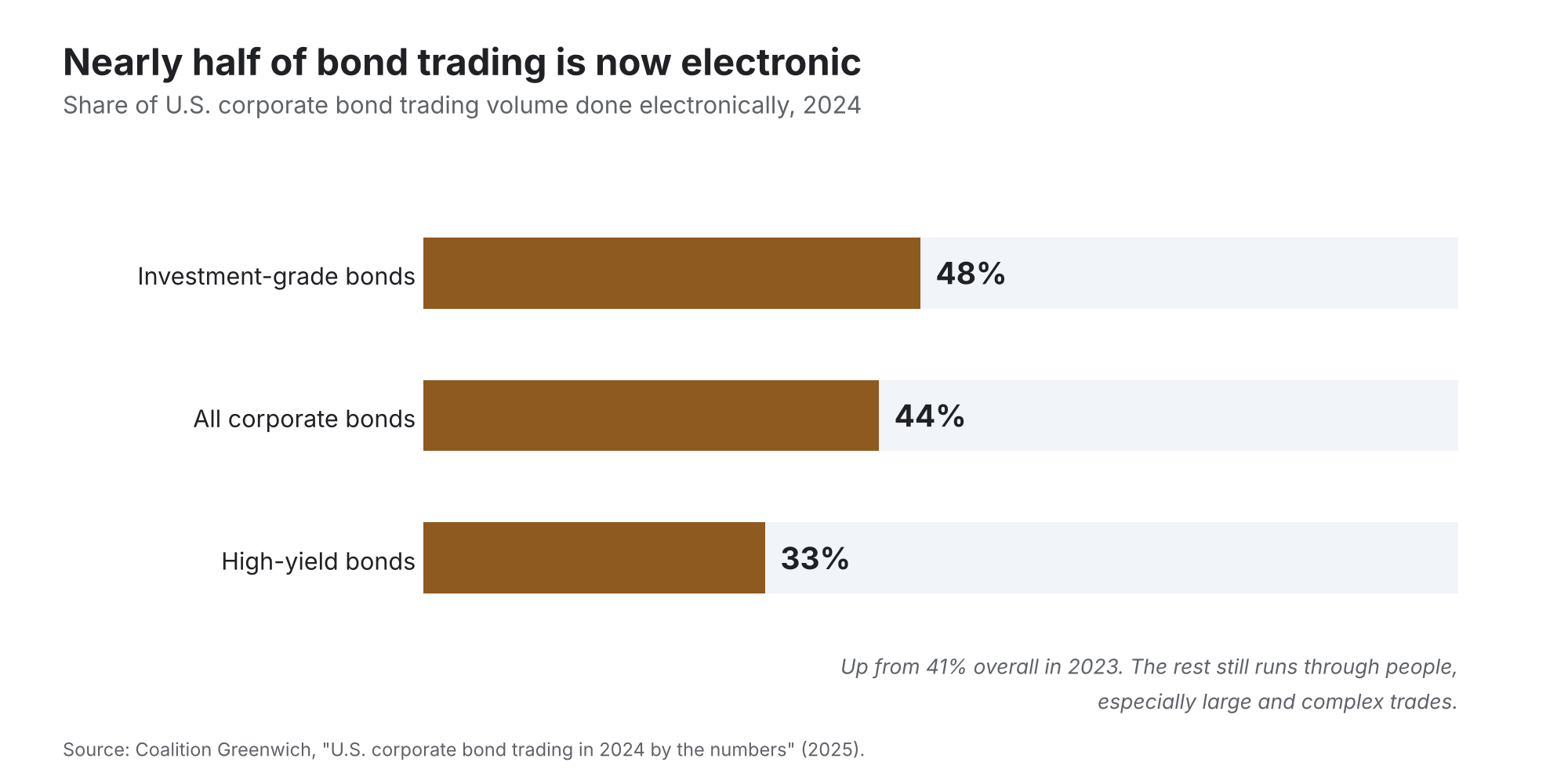
The hours usually follow the markets. You start early, but you are less likely to be working late into the night compared to banking. A lot of routine trading is now automated, but people are still needed for larger and more complicated trades and for managing risk.
4. How the Career Paths Work
The career progression is fairly straightforward in investment banking and sales and trading, Analyst → Associate → Vice President → Director → Managing Director.
Equity research is slightly different. You will often start as an Associate and can move into an Analyst role as you gain experience.
Early in your career, doing good work consistently is what matters most. As you become more senior, your relationships and reputation start to matter just as much as your technical skills.
This is especially important in banking. Senior bankers work long hours, so they care about having people on their team they can trust. If you are reliable and make their lives easier, you are more likely to get pulled into important deals and given more responsibility.
The same idea applies across all three careers. Technical skills can get you started, but your reputation can have a big impact on how your career develops.

5. Hours and Lifestyle
Investment Banking
This is where the biggest difference shows up.
Junior bankers can work 70-100 hours a week, with the worst periods usually coming when a deal is live. Late nights and working weekends are common when there is a tight deadline.
The problem is not only the number of hours. It is that you often do not know when the work is going to show up. A quiet Friday evening can turn into a late night because a client wants last-minute changes to a presentation.
You are giving up a lot of control over your time in exchange for the money and career opportunities.
Equity Research
Research tends to be more predictable. The typical week is around 60-70 hours, although earnings season can push that much higher.
You will still have early mornings and the occasional late night when important news breaks, but the schedule is generally easier to plan around than banking.
If you want a demanding finance career but do not want your entire schedule dictated by live deals, research may be worth considering.
Sales & Trading
Sales and trading follows the market.
You generally start early before the market opens and finish after it closes. The work can be stressful while the market is moving, but you are much less likely to be dealing with the late nights and weekend work that come with banking.
The tradeoff is that the pressure is concentrated into the trading day. You need to stay focused and make good decisions when things are moving quickly.

6. Compensation and Exit Opportunities
All three careers can pay well, particularly as you move up. But compensation varies a lot depending on the firm, your performance, market conditions, and the amount of revenue you generate.
Investment Banking
Banking tends to pay very well at the junior level, but the bigger advantage is the number of options it gives you later.
After a few years, you can move into private equity, hedge funds, venture capital, corporate development, or other finance and business roles. The skills you build in banking are useful because you learn financial modeling, valuation, how transactions work, and how to get a lot of work done under pressure.
This is one of the main reasons people choose banking early in their careers. You may not know exactly what you want to do five years from now, but banking keeps a lot of doors open.
Equity Research
Research is the more obvious path if you want to stay close to investing.
You spend a lot of time understanding companies and industries, which can be useful if you later move to a hedge fund, corporate strategy, investor relations, or another role that requires strong knowledge of a particular sector.
Private equity exits are less common from research than from banking, so that is worth keeping in mind if private equity is your main goal.
Sales & Trading
Sales and trading is a good option if you know you want to stay close to the markets.
Experienced professionals can move into hedge funds, proprietary trading firms, or other investment firms. The skills are more specialized than banking, so the career path is generally more focused on markets.
That can be a positive if you already know what you want. It can be a limitation if you want to keep your options as broad as possible.
7. How to Choose
Start With the Work
The easiest way to decide is to think about what you actually want to spend your day doing.
If you like transactions, financial modeling, tight deadlines, and want private equity to be an option, banking makes sense. If you enjoy researching companies, following industries, and forming your own view on a business, research may be a better fit. If you like markets, client relationships, and making decisions quickly, sales and trading is probably more interesting.
Do not choose based only on which job sounds more impressive. The work is very different once you are actually doing it.
Think About Where You Want to Go
Your first job does not lock you into one career, but some moves are easier than others.
Banking is still the clearest route into private equity and gives you a broad set of options. Research makes more sense if you want to build investing experience and develop deep knowledge of a sector. Sales and trading is the most direct path if you want to build your career around markets.
If you already know what you want to do after your first few years, that should be an important factor in your decision.
Think About the Lifestyle
This is probably the part people underestimate when they are choosing between these careers.
Banking can mean long and unpredictable weeks. Research has busy periods around earnings but is generally easier to plan around. Sales and trading starts early and can be intense while markets are open, but you are usually finished once the trading day ends.
So, if you like understanding businesses but want more control over your evenings and weekends, research may be a better fit than banking. If you enjoy fast-moving markets and do not mind making decisions under pressure, sales and trading may suit you better.

The Bottom Line
Investment banking, equity research, and sales and trading can all be great ways to start a finance career. The important thing is understanding what you are actually signing up for.
Banking gives you the broadest exit opportunities, but you also give up the most time. Research lets you go much deeper into companies and investing, while sales and trading gives you a more direct connection to the markets.
There is no reason to pick a career just because someone else says it is the best one. Think about the work you enjoy, where you want to end up, and how much you care about having control over your time.
The best career path is the one where the work you do, the life you want, and the opportunities you are looking for actually line up.