Overview
Overview
For many students, an investment banking internship is the first major step towards a career in finance. It's where you get your first real look at how deals happen, and it often leads to a full-time job offer after graduation. But getting such an internship isn't easy. The competition is tough, and the hiring process starts much earlier than most students expect.
The good news is that the process is fairly predictable once you understand how it works. If you start early and prepare well, you'll have a real shot at landing a great summer internship.

TL;DR
- Start early, since recruiting for summer internships can begin in the winter of sophomore year.
- Networking helps you stay informed, get referrals, and show your people skills.
- Prepare for behavioral questions by practicing clear stories about your background.
- Technical questions usually cover accounting, valuation, and other finance basics.
- Extra internships, finance clubs, and industry knowledge can greatly improve your chances.
1. Understanding the Recruiting Timeline
Banks start hiring interns much sooner than most students think. At the top banks, recruiting for junior-year summer internships usually kicks off in the winter of sophomore year and picks up speed in the spring. Most interviews and offers happen between March and May, and about two-thirds of internship spots at large banks are filled during that window. Some spots stay open into late summer or early fall, when banks run extra rounds to fill the rest of their class.
Because the timeline is so early, you can't wait until junior year to get ready. Freshmen can build a strong base by joining finance clubs, taking relevant classes, or doing a minor finance internship. By the time sophomore year comes around, those experiences show recruiters that your interest in banking is real.
With so many banks running their own schedules at the same time, it's easy to lose track. Keep a simple calendar of each bank's deadlines and events so you don't miss anything important.
2. Why Networking Matters for Landing an Offer
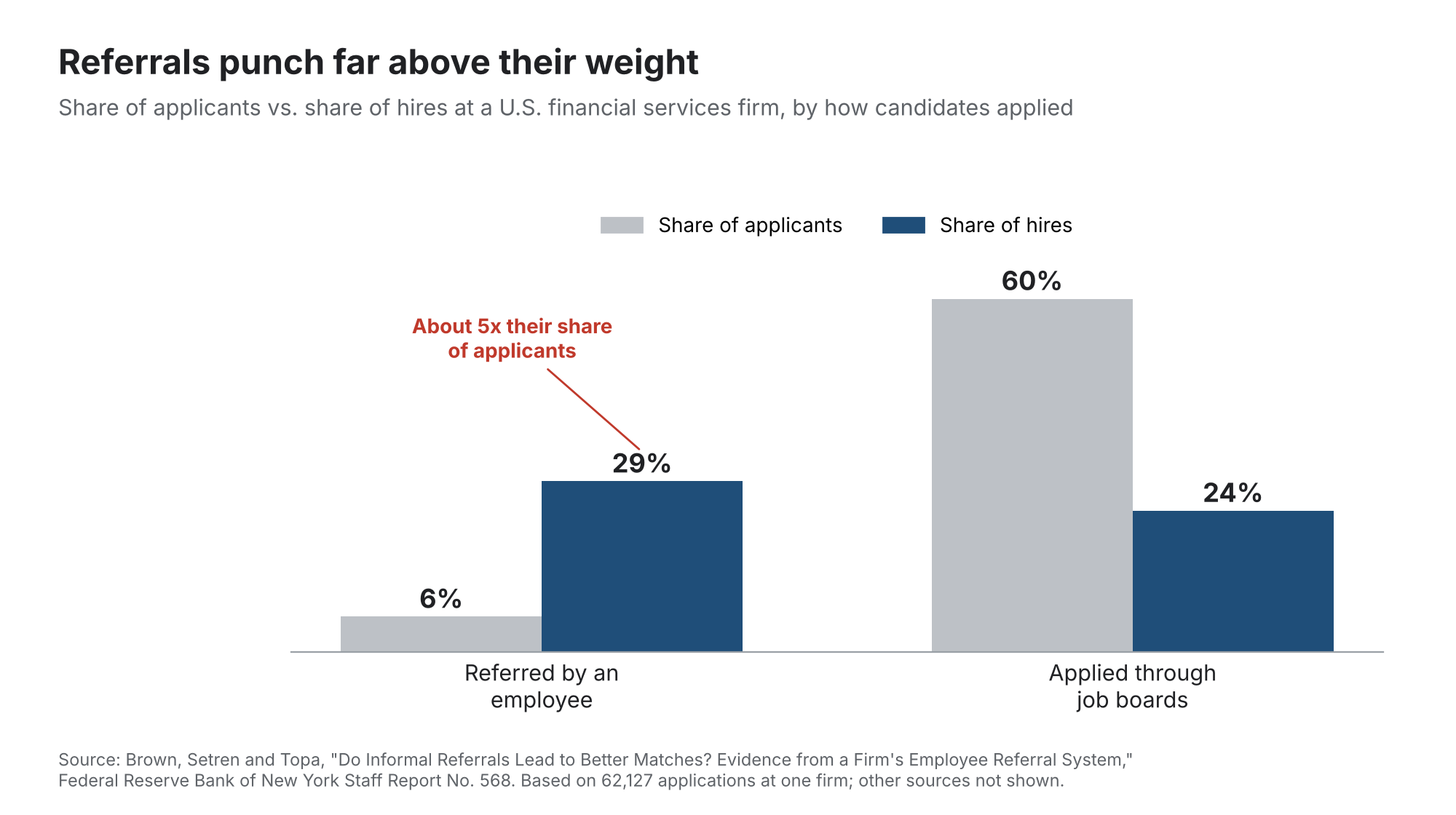
Networking is one of the biggest factors in banking recruiting. Many banks now use online tests and recorded video interviews, but people still make the final hiring decisions. And since interns and analysts spend long hours working together on live deals, bankers want to hire people who are hardworking and easy to work with.
Talking with analysts and associates also gives you useful inside information. You can learn about a bank's culture, what the job is really like, and when key deadlines are coming up. Even better, making a strong impression on just a few bankers can make a big difference. A good coffee chat or a short, well-handled phone call can lead someone to push your resume to the top of the pile. Some banks also hold several rounds of final interviews in one season, and good connections can help you get into the earlier ones, when more spots are open.
The best place to start is with alumni from your school or people you already know, since they're more likely to reply and may even speak up for you. Focus on having a few real conversations at each bank instead of quick chats with dozens of people. And try to build genuine relationships. People remember you more when you talk about shared interests, not just job questions.
3. Practicing the Behavioral Interview Process
Behavioral questions help interviewers figure out whether you'll do well in a fast, high-pressure job. They usually fall into three types.
The first type is about your background. Expect questions like "Walk me through your resume," "Why investment banking?" "What does an analyst do?" and "Why our bank?" These show the interviewer why you want the job and whether you understand what it involves.
The second type is about your resume. Anything you list, from classes to clubs to past jobs, is fair game. Be ready to talk about what you learned, any challenges you faced, and how each experience led you to finance.
The third type asks how you handle certain situations, like working on a team, dealing with conflict, or taking the lead on something. Banks want interns who are tough, take initiative, and can keep up with the pace.
Your answers should be short but full of detail. A good way to prepare is to write down your main stories using a simple pattern - the challenge, what you did, and the result. Then practice telling each one in one to two minutes. Where you can, include numbers that show your impact, and connect your stories to skills banks care about, like teamwork and strong analysis.
4. Preparing for Technical Rounds
Technical questions test whether you understand the basics of finance. Most of them come from a few core topics. You'll need to know the three main financial statements - the income statement, balance sheet, and cash flow statement, and how a change in one affects the others.
You should also know the common valuation methods- comparing similar companies, looking at past deals, and building a discounted cash flow (DCF) model. Interviewers often ask about the difference between equity value and enterprise value, and when to use each one. Some may also ask about accretion and dilution, which is about how a deal affects a company's earnings per share.
This might sound like a lot, but most of it comes down to steady study and practice. There are plenty of guides and practice books built just for banking interviews. If your school offers corporate finance classes, those help too. It's also smart to quiz yourself with friends or mentors who have already done these interviews.
If you find the technical prep material interesting instead of boring, that's a good hint banking might be the right fit for you. People who enjoy the analytical side of the work usually do better and feel happier in the job.

5. Improving Your Overall Profile
Interviews matter, but they aren't the only thing that counts. Banks want to see a well-rounded candidate who is serious and well prepared.
Joining a finance club or entering a case competition is a great place to start. These give you hands-on practice and also give you real examples to talk about in interviews. If you're a freshman, look for early internships at smaller firms or in related areas like wealth management. Even a small role shows that you took initiative early.
Your resume and LinkedIn profile should also be clean and focused on results. Highlight leadership, analytical skills, and any finance projects you've worked on. Finally, keep up with industry news. Follow major deals, market changes, and what different banks are doing. Being able to talk about a recent merger or IPO in an interview shows that your interest is real. Banking is competitive, but it rewards people who prepare early and stay consistent.

6. Additional Considerations for Freshmen and Sophomores
Many top banks now have special programs just for freshmen and sophomores. These are often called "early insight" or diversity programs, and they can give you a head start. Many of them open their applications in the fall, before regular recruiting begins, so keep an eye on bank websites early in the school year.
Don't worry if you can't land a role at a big-name bank right away. A smaller finance job, or even a corporate role, still counts. In later interviews, you can talk about what you learned and the skills you picked up.
Mentors can help a lot here too. Upperclassmen who have already interned at major banks know how the timeline works, which resources are worth using, and how to pitch yourself well. Ask them for honest feedback on how you network and interview, and use it to keep getting better.
7. Navigating the Two-Round Interview Process
Most banks interview candidates in two rounds. The first round is usually a digital interview, often held through HireVue. You record answers to pre-set questions on camera, and they mostly focus on your background and why you want the job. Some banks also add a short phone call with a junior banker.
If you pass that round, you'll be invited to a "superday." This is a full day of back-to-back interviews with senior bankers, usually about 30 minutes each. They'll test both your behavioral answers and your technical knowledge.
Superdays are tiring, so your energy and calm matter just as much as what you know. Use your breaks to reset, remember the names of the people you've met, and get ready for the next interview.
8. Handling Offers and Planning Next Steps
Getting an offer is exciting, but there are still a few things to sort out. Banks usually give you a short window to accept or decline, so use that time to ask questions. Find out which team you'll be placed on, whether there's a rotation, and what kind of mentorship you'll get.
If you have more than one offer, compare the banks on culture, the types of deals they work on, training, and how well you think you'll fit in over the long term. Talk to people who have worked at each bank, gather as much information as you can, and trust the research you've already done.
Once you accept, stay engaged. Reach out to your future team, ask if there's anything you should read before you start, and go to any events they host before the summer begins.
The Bottom Line
Landing an investment banking internship takes early planning, smart networking and solid interview prep. The recruiting timeline moves fast, so starting early can make a huge difference.
Whether you're a freshman just exploring finance or a sophomore going after a junior-year internship, the work you put in now will pay off. Every strong resume, good conversation and well-prepared interview answer helps you stand out and sets you up for success long after the summer ends.