Overview
Overview
Breaking into investment banking is insanely competitive. There are thousands of students applying for a limited number of positions, and recruiting often starts earlier than most students expect.
That means preparation matters. You need to understand the industry, build a strong profile, start networking early and be ready for the interview process. The good news is that there are clear steps you can take to improve your chances.
Whether you are a student applying for an analyst role, a recent graduate trying to move into banking, or a professional considering the MBA route, the same basic principles apply.

TL;DR
- Understand the industry- Know what investment bankers actually do and how different banks and groups operate.
- Plan your entry point - Decide whether you are targeting an analyst or associate role and understand the recruiting timeline.
- Build a strong profile - Good academics, relevant experience, and a clear resume all matter.
- Start networking early - Good conversations with bankers can make a real difference during recruiting.
- Prepare for interviews - Be ready for technical questions, behavioral questions and different interview formats.
- Practice staying calm under pressure - Banking interviews can be intense, so being able to think clearly under pressure is important.
1. Understand the Industry
Before you start applying, make sure you understand what investment bankers actually do.
Investment banking is not just about financial models. Bankers advise companies on major transactions such as mergers, acquisitions, IPOs and restructurings. The work can also look very different depending on the bank and the group.
Some firms are large global banks with teams across many products and industries. Others are smaller advisory firms that focus on specific types of deals. Even within the same bank, one group can have a very different experience from another.

2. Figure Out Your Entry Point
The right recruiting strategy depends on where you are in your career.
For most people, there are two main entry points - analyst roles after undergrad and associate roles after an MBA or another relevant graduate program.
Undergraduate Recruiting
If you are still in college, recruiting can start much earlier than you expect. At many top banks, summer analyst recruiting begins during sophomore year, with interviews sometimes taking place in the fall or winter.
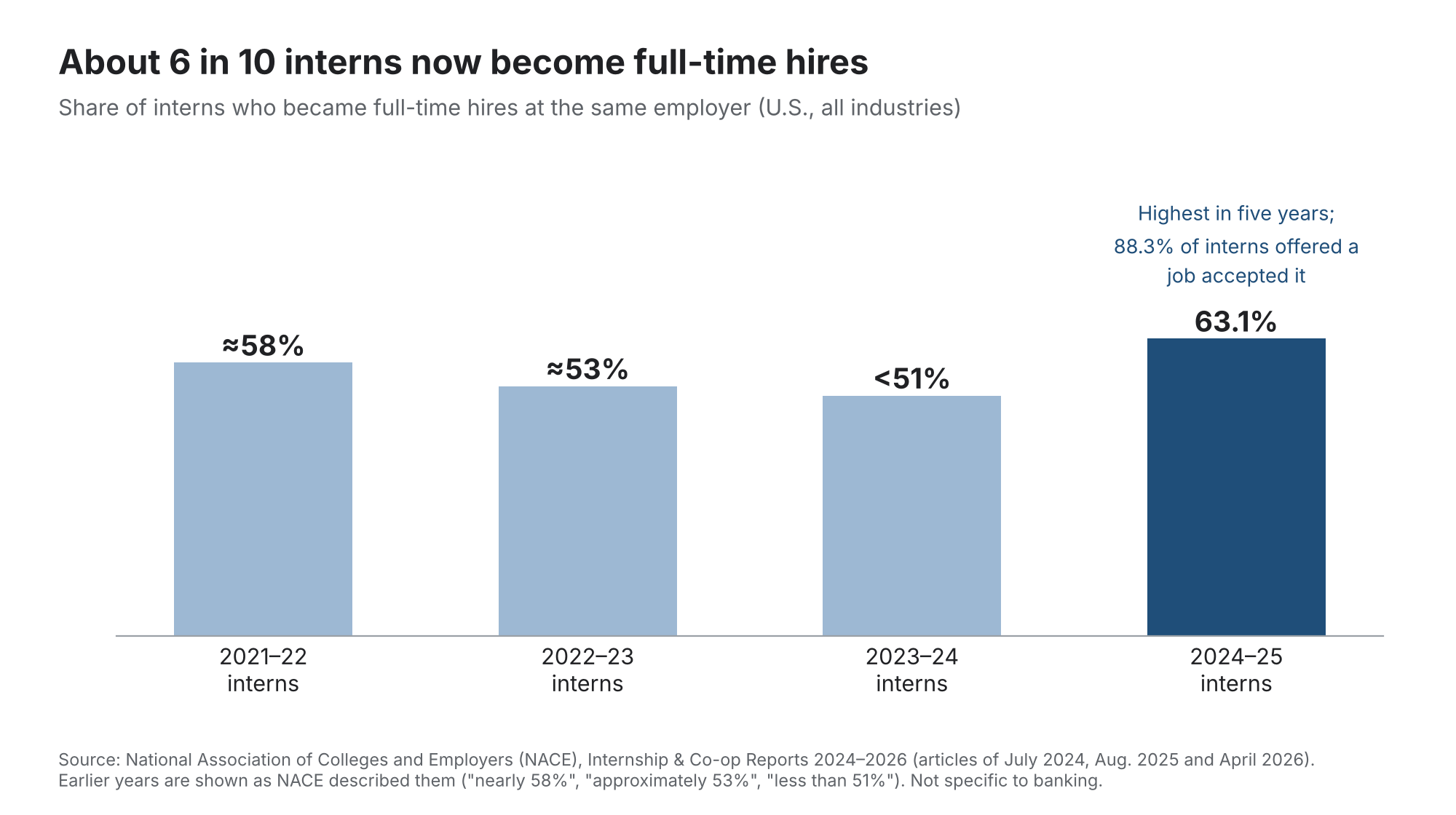
Junior summer internships are especially important because many full-time analyst offers come from these internships. This means that waiting until your final year to start thinking about banking can put you at a disadvantage.
If you have already graduated and missed the main recruiting cycle, there are still options. You could start at a smaller investment bank or another relevant finance role and try to move into banking later.
Graduate Recruiting
For people entering banking after graduate school, the MBA is the most common route into an associate position. Many banks recruit heavily from top MBA programs, particularly the top 10-15 schools.
Some Master’s in Finance programs also place students into banking, although this route is less common than the MBA path.

3. Join a Strong Business or Finance Organization on Campus
If you are still in college, the right student organization can be very useful.
A strong finance or business club gives you access to people who have already gone through the recruiting process. Older students can share interview guides, resume advice and practical tips that you may not find on your own.
The alumni network can be just as valuable. If a club has a history of sending students to investment banks, its alumni may be more willing to speak with current members and help them understand the recruiting process.
There is also the benefit of being around other students who are preparing for the same process. Before joining a club, look at where its alumni have ended up. A club with a strong track record in banking can be much more useful than one that simply has a large membership.
4. Maintain a High GPA
Your GPA is one of the first things banks may look at when reviewing your resume, especially early in the recruiting process.
There is no universal cutoff across every bank, but stronger grades generally give you more options. As a rough guide:
- 3.7+ GPA give you a strong position, especially with relevant experience
- 3.3-3.7 GPA is still acceptable, but other parts of your profile need to stand out
- Below 3.3 GPA makes a banking offer pretty difficult, particularly at the most competitive banks
Your earlier grades can matter more than you might expect because recruiting now starts so early. If a bank is reviewing your resume before your junior year, your freshman and sophomore grades may be most of what it has to judge you on.
You do not need a perfect GPA, but you should take academics seriously to avoid getting screened out before you even reach the interview stage.

5. Build a Banking-Ready Resume
Your resume needs to show that you have a genuine interest in finance and have developed some of the skills needed for the job.
The strongest profiles usually have some combination of finance experience, good academics and leadership.
Investment banking internships are obviously useful, but they are not the only option. Experience in private equity, equity research, corporate finance, or another relevant role can also help. Case competitions and leadership programs can show that you have taken the time to build your finance knowledge outside the classroom.
Brand names can help as well. A recognizable bank, competition, or program can make a resume easier to understand quickly. At the same time, a smaller firm can still be valuable if you actually learned something there. In an interview, you should be able to explain what you worked on and what skills you developed.
Your resume should also make your academic strengths and technical skills easy to find. Relevant coursework such as accounting and valuation can be useful, along with certifications if they are relevant to the role.
6. Networking is very important
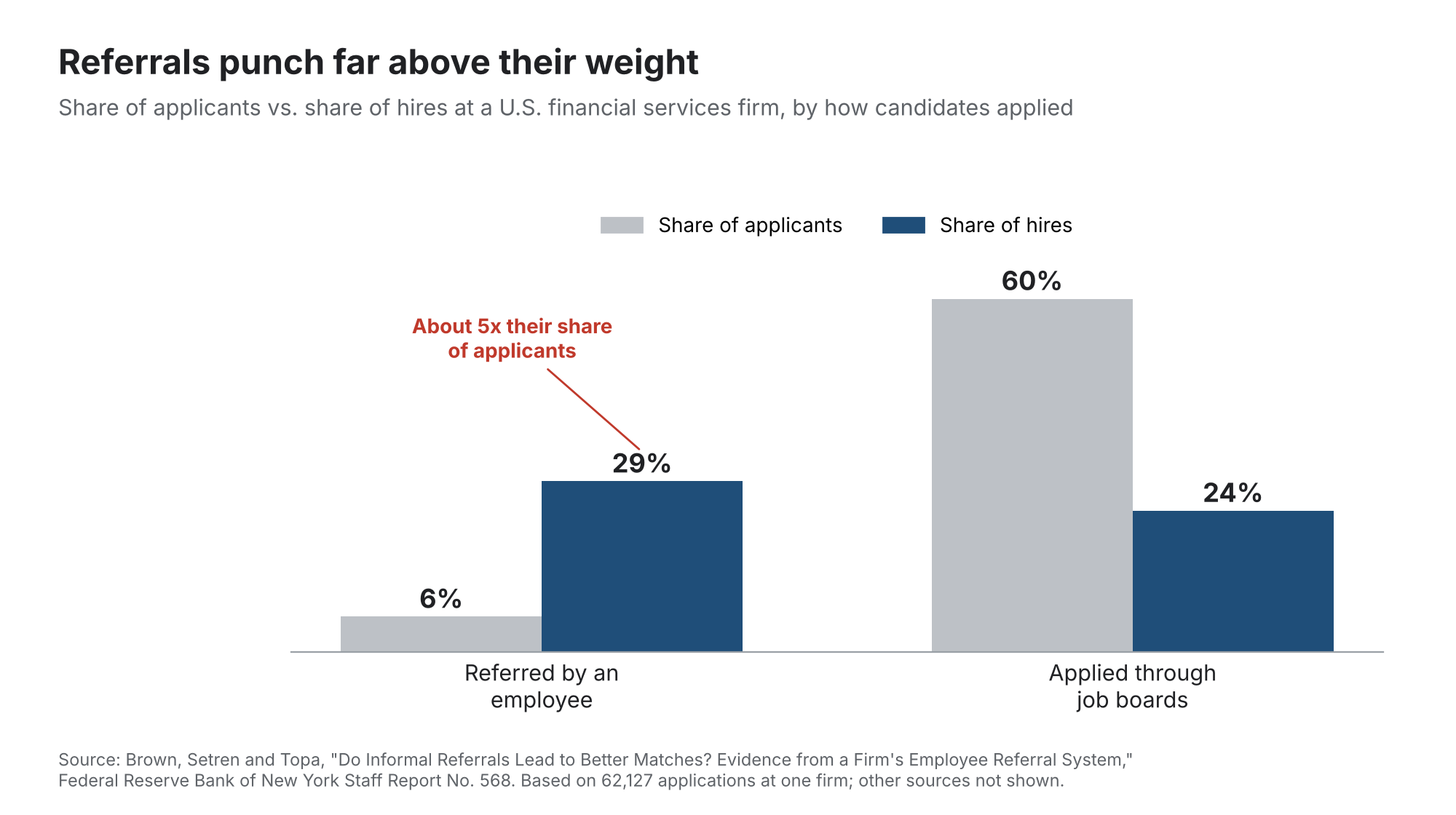
Networking still matters even though parts of the recruiting process have become more automated.
Some banks use recorded interviews or online assessments to screen candidates, but conversations with bankers can still help you stand out, particularly at smaller firms and elite boutiques.
Start with alumni from your college. A shared school or background gives you a natural reason to reach out and usually makes the conversation easier to start.
You can also attend campus information sessions and recruiting events. The goal should not be to collect as many contacts as possible. It is better to have a few useful conversations where you actually learn something about the bank and the person you are speaking with.
Follow up after those conversations as well. A short thank-you message or an update when something meaningful changes can help you stay on someone's radar.
7. Master Different Interview Formats
Banking interviews do not always happen over a phone call or across a table. Depending on the bank, you may go through several different formats:
- Recorded interviews - You receive a question and have a limited amount of time to record your answer.
- Phone interviews- These are often used for initial screening rounds, so speaking clearly and confidently matters.
- Virtual interviews - Treat a Zoom interview like an in-person interview. Dress appropriately, check your network, and make sure your background is professional.
- In-person Superdays - Final rounds can involve several interviews in one day, often with different bankers.
The best way to prepare is to practice each format separately. Record yourself answering common questions, practice speaking without reading from a script and get comfortable answering questions while being timed.
8. Craft a Strong Story
One question comes up again and again in banking interviews - ‘Why do you want to work in investment banking?’
You need to have a clear answer. It should sound like your own story rather than something copied from an interview guide.
A simple way to build that story is to think about three things:
How did you get interested? Maybe you became interested through investing, a class, a person you met or an experience at an internship.
What did you do about it? Explain how you followed that interest through internships, finance clubs, case competitions, coursework or other experiences.
Why banking? Explain why investment banking makes sense for you and how it fits into your longer-term goals.
The important thing is that the three parts connect. Your interviewer should be able to understand how you got interested in finance, what you have done since then and why banking is the next step.
9. Prepare for Technical Questions
Technical questions are a major part of investment banking interviews. You should be comfortable with accounting, valuation, M&A, LBOs and the basic mechanics of financial statements.
Knowing definitions is not enough. You should understand how the concepts actually work.
One useful way to prepare is to study real companies. Look through filings such as 10-Ks and 10-Qs and pay attention to how the income statement, balance sheet, and cash flow statement connect.
You should also build a few simple models yourself. Creating a basic DCF or comparable company analysis in Excel is much more useful than simply reading about one.
Lastly, practice with other people. Ask friends or classmates to give you technical questions without telling you what is coming. Getting used to questions you have not seen before will make the real interview much easier.
10. Be calm during the interviews
Even if you know the technical material, interviews can become difficult when you are under pressure.
You may have several interviews in one day, get a technical question you have never seen before, or be asked to explain something in a completely different way. How you handle those situations matter.
You do not need to know the answer to every question. If you are unsure, explain how you would approach the problem instead of guessing. Interviewers can learn a lot from the way you think through a question.
Confidence also makes a difference. Bankers work with senior executives and clients, so they want people who can communicate clearly and hold a conversation.
The best way to get comfortable with pressure is to practice under pressure. Do mock interviews, answer questions without preparation and put yourself through as many realistic interview situations as possible.
The Bottom Line
There is no single trick that will get you an investment banking offer. A strong GPA helps, but so does relevant experience. Networking matters, but so does technical preparation. And knowing the material is only part of the interview, you also need to communicate clearly and stay calm when things do not go exactly as planned.
The earlier you start, the more options you have. Understand the industry, figure out your recruiting timeline, build a strong resume, talk to bankers and prepare properly for interviews.
Investment banking recruiting is competitive, but it is also a process you can prepare for. The more work you put in before applications open, the better your chances of being ready when the right opportunity comes up.