Ranking · momentum
The Fastest-Rising Target Schools
Most target-school lists are static. This one measures movement: for every school with at least 100 analysts at 18 top banks, what share of them graduated in 2018 or later — the classes hired from roughly 2020 onward. A high share means the pipeline is being built now.
- Rising fastest
- Williams College87% since 2018
- Median recent share
- 77%across the field
- Schools measured
- 67at least 100 analysts each
- Largest rising pipeline
- University of Chicago834 analysts, 86% recent
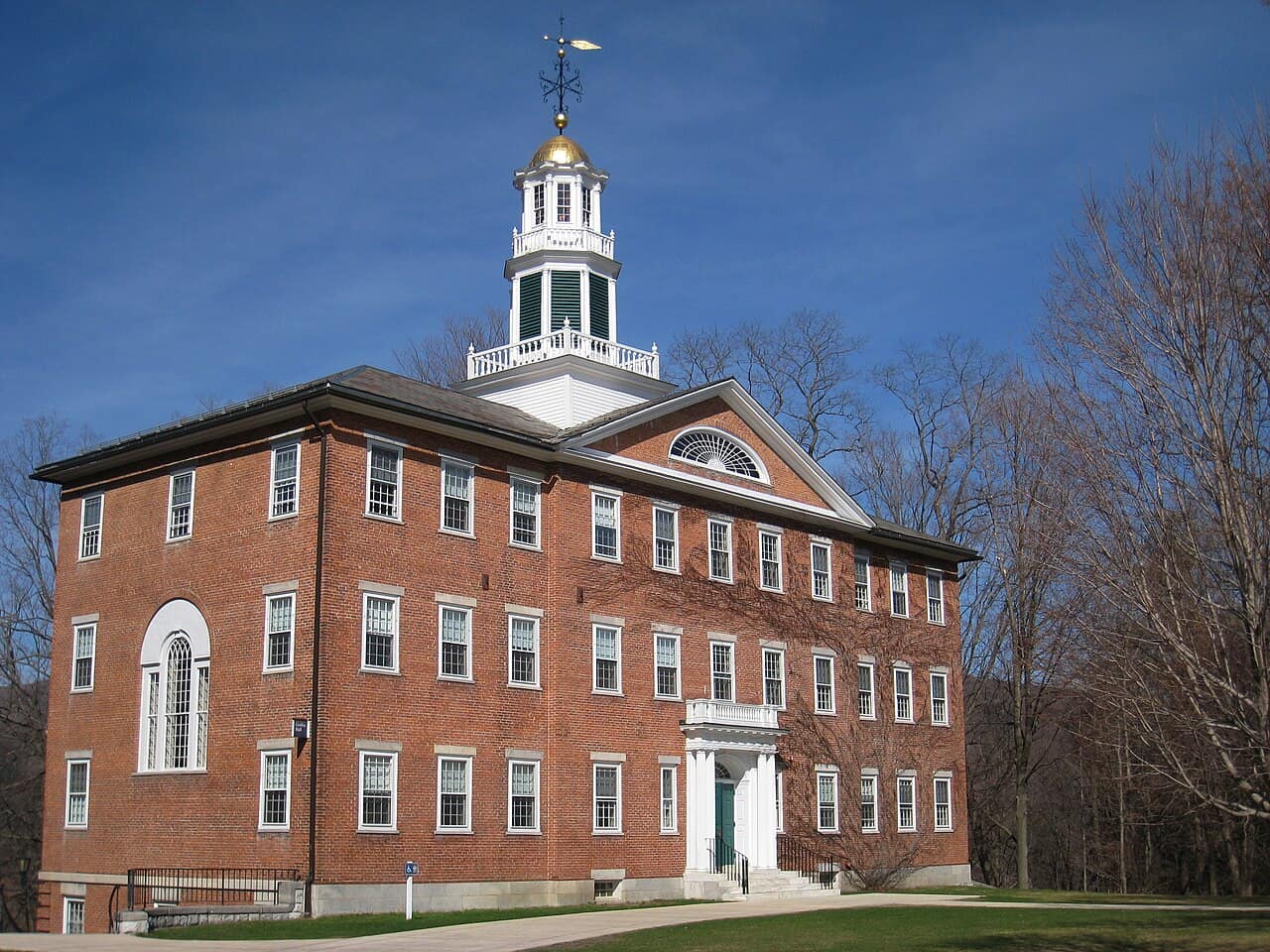 #1Williams College87% of its analysts since 2018Photo: Daderot · Public domain
 #2University of Chicago86% of its analysts since 2018Photo: Ndshankar · CC BY-SA 4.0
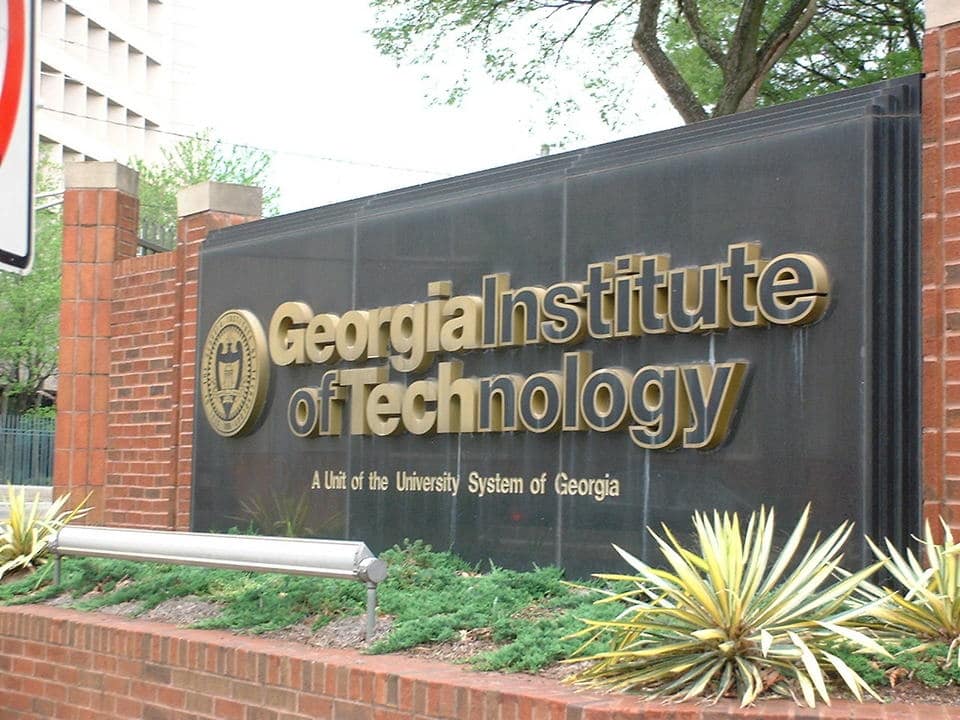 #3Georgia Tech86% of its analysts since 2018Photo: User:TheCustomOfLife · Public domain
Rising fastest
Share of analysts graduated 2018+Share of each school’s top-bank analysts who graduated in 2018 or later. The analyst count beside each share is the full 2013-onward population, so a big count beside a high share means a large pipeline that is also growing.
- 1Williams CollegeAnalysts: 18387%
- 2University of ChicagoAnalysts: 83486%
- 3Georgia TechAnalysts: 14586%
- 4Northeastern UniversityAnalysts: 27785%
- 5Texas A&M UniversityAnalysts: 25182%
- 6UC Santa BarbaraAnalysts: 12382%
- 7Brown UniversityAnalysts: 53581%
- 8Southern Methodist UniversityAnalysts: 29381%
- 9Babson CollegeAnalysts: 18181%
- 10Northwestern UniversityAnalysts: 52380%
- 11Indiana University BloomingtonAnalysts: 36180%
- 12Emory UniversityAnalysts: 31880%
- 13Baruch CollegeAnalysts: 28980%
- 14Hamilton CollegeAnalysts: 10380%
- 15Columbia UniversityAnalysts: 1,34579%
Most legacy-weighted
These schools have real pipelines into top banks, but more of that presence was built before 2018 than at the schools above. A low share is not a collapse — it means recent classes are adding to the network more slowly than the field.
- 67George Washington UniversityAnalysts: 10067%
- 66Lehigh UniversityAnalysts: 11667%
- 65Fordham UniversityAnalysts: 14167%
- 64Rutgers UniversityAnalysts: 12969%
- 63University of GeorgiaAnalysts: 14269%
- 62University of MiamiAnalysts: 14771%
- 61Johns Hopkins UniversityAnalysts: 22972%
- 60Claremont McKenna CollegeAnalysts: 13273%
Rising schools FAQ
3 questionsWhich target schools are rising fastest for investment banking?
Williams College leads: 87% of its 183 analysts at 18 top banks graduated in 2018 or later, against a median of 77% across the 67 schools with at least 100 top-bank analysts.
How is a rising school measured?
We count profiles that list both an investment banking analyst title and one of 18 top banks, then compare those who graduated in 2018 or later against everyone who graduated in 2013 or later. A high share means most of the school’s pipeline was built in the recent analyst classes rather than a decade ago.
Which large pipelines are still growing fastest?
University of Chicago is the standout at scale: 86% of its 834 top-bank analysts graduated in 2018 or later, a recent share well above the 77% median on one of the largest bases in the ranking.
How to read this
Two graduation windows, one population. We count people with an investment banking analyst title alongside any of 18 top banks who graduated in 2013 or later, then count the subset who graduated in 2018 or later. The ratio is the share shown above. Only schools with at least 100 analysts in the wider window appear, so these percentages rest on real bases rather than a handful of profiles.
The honest limits: profile data undercounts recent graduates slightly, because people update public profiles late and the newest analyst classes are still filling in. That biases every school’s recent share downward by a similar amount, so comparisons between schools hold up better than any single percentage. Graduation year is also a proxy for hire year, which works well for analysts who join within a year of graduating and less well for career changers. Data pulled 2026-10-16.
